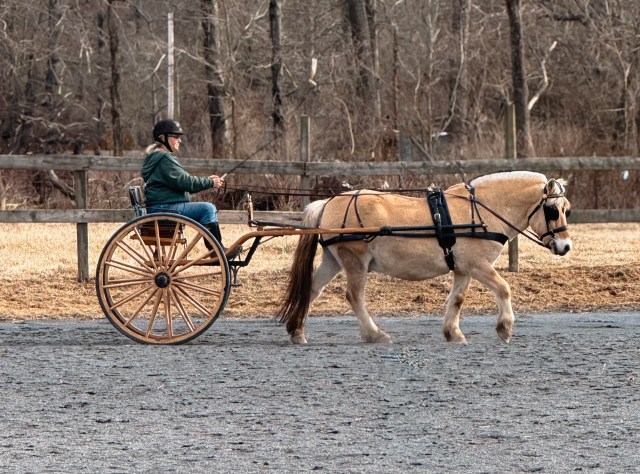
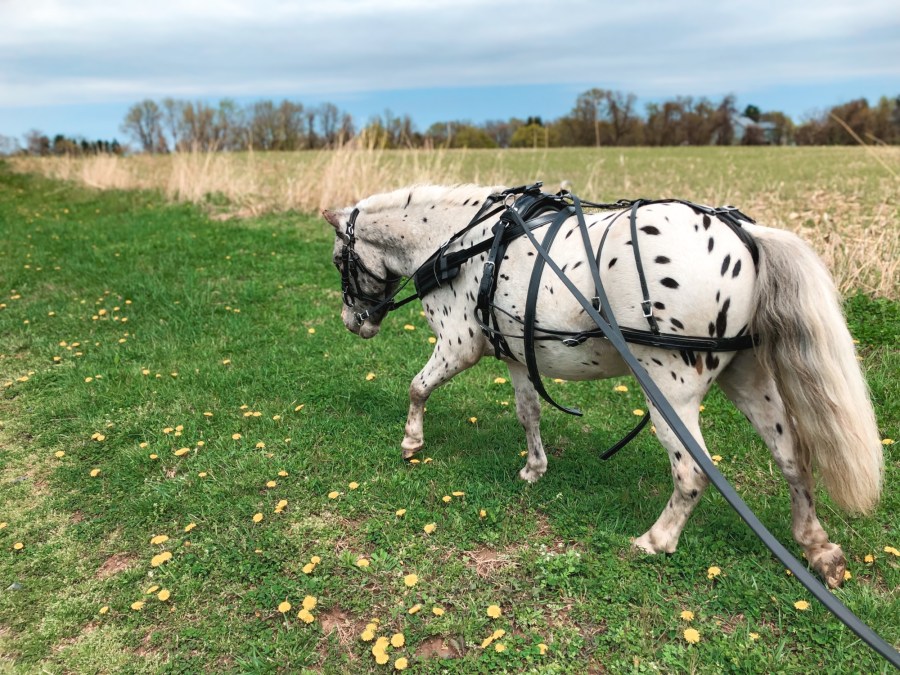
Even when we have the best of intentions to work our horses through the winter season, sometimes mother nature has instead forces us to appreciate the rest and relaxation portion of the year that winter is meant for.
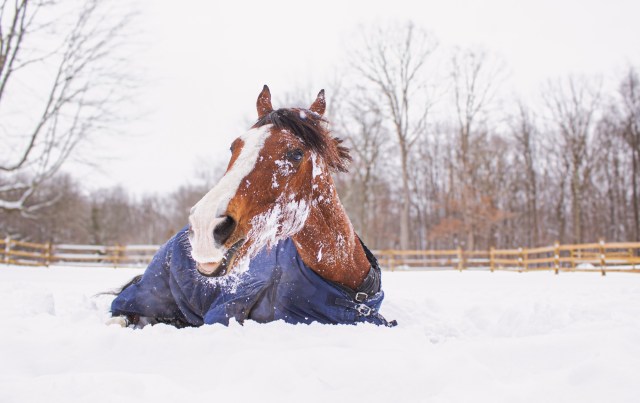
I know what you’re thinking… rest?! relaxation?! What are you talking about?
Winter can be a brutal time for those of us caring for outdoor animals. But, in truth, winter is supposed to be a time of dormancy. A time to burrow down, rest, recuperate, and allow growth to start again and blossom in the spring.
Accepting that for both you and your herd can really help to spark new ideas and motivations. It gives both our body and minds the time needed to heal and replenish for the year ahead.
I know that for me, once March rolls around and the temps start to warm up, albeit they fluctuate very much for us here in Southeastern Pennsylvania during this transition period, I start to feel like a brand new person and become incredibly inspired in just about all areas of my life.
While we may be getting excited to get back to work with our horses and plan out the shows, clinics, and other events we want to participate in throughout the year; it’s important to remember that our equines do not have the same goals in mind. It is our responsibility to make sure they are prepared, both physically and mentally, to handle whatever it is we are about the throw their way with the change of season.
Evaluate your Horse’s Physical Condition before Returning to Work
During the winter months, it is very common for any horse who has taken a break or slowed down in their routine to lose some of their physical conditioning. Colder temps make horses lose weight more easily as they burn body fat to stay warm. Ideally, you should be accounting for this throughout the winter and providing more forage to help your horses stay warm without losing weight. Sometimes, even so they will burn those extra calories and shed a few pounds. On the other hand, some horses may gain weight over the winter months when being fed more while having less movement between a pause in the work routine and possibly less turnout. In addition, anyone who slows down their workout routine is going to lose some muscle mass.
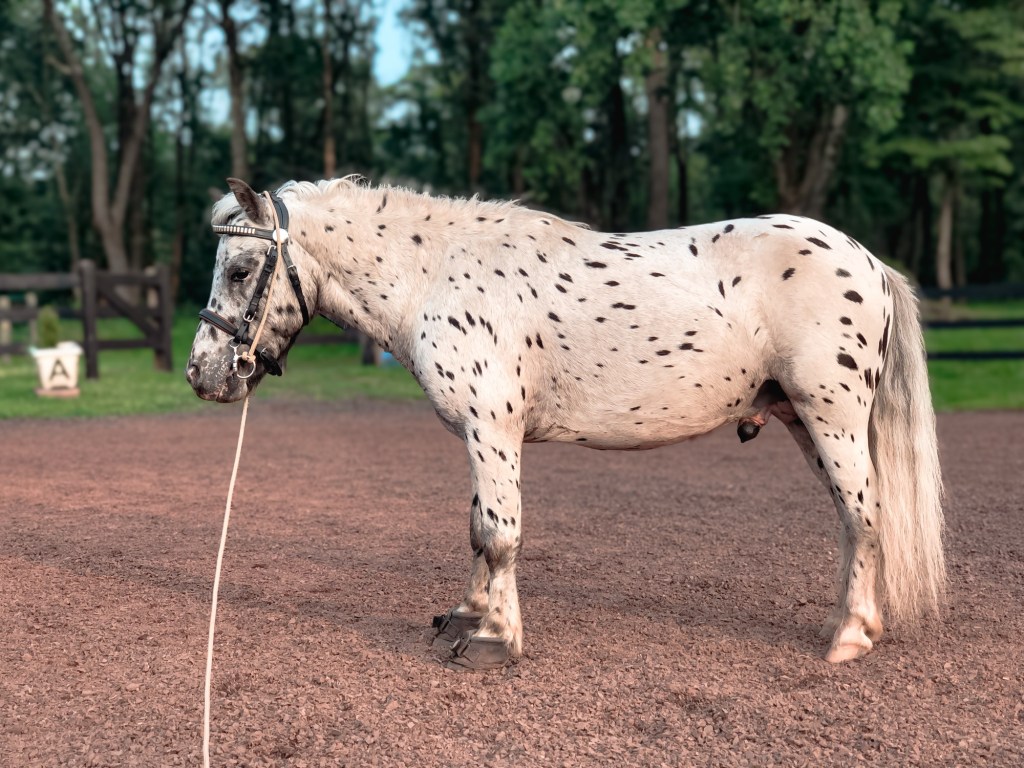
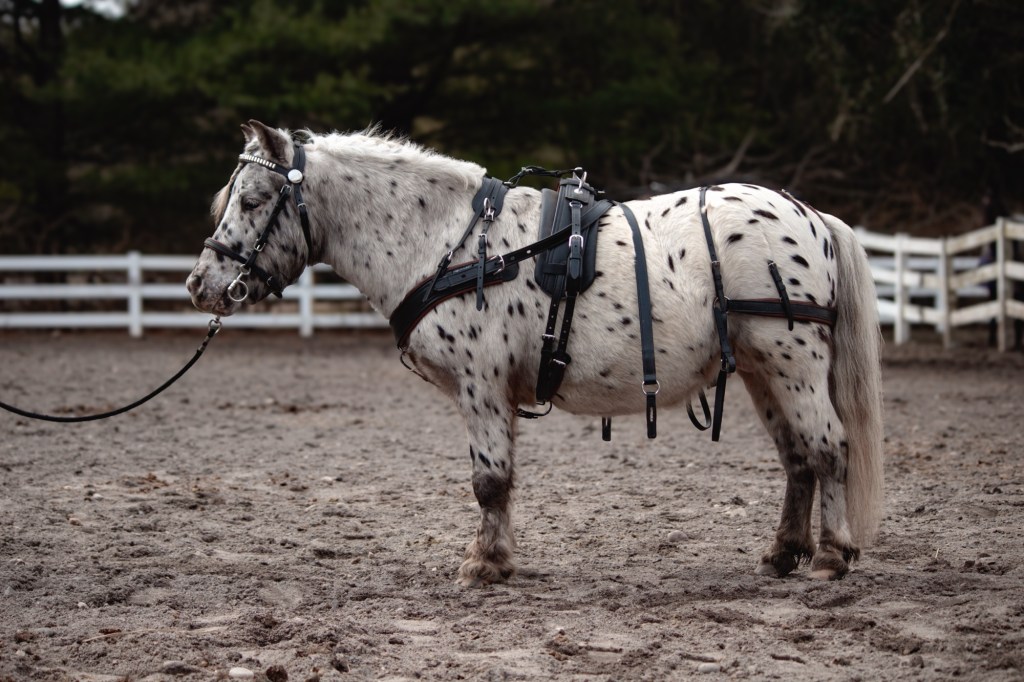
If you have ceased work all together over the winter, it’s very important to take a look at your horses conditioning before starting back into work. This will give you an idea of what to expect. You may find that your horse tires out much more quickly than they had before as they do not have the same stamina they had built up over last spring, summer, and fall. This means you will need to start off slow, and not push them into exhaustion when coming back into work. You should not expect to hitch and go off for a 10 mile drive around the neighborhood after not driving for a few months! The same goes for very hilly terrain. You may find that your horse has more difficulty going up and down steep slopes in the carriage than they had before.
It it important to make sure you allow your horse the gradual time coming back into work they need. Otherwise you run the risk of unwillingness to work, burnout, or even injury.
Thankfully, muscle memory is a real thing! A horse who was properly conditioned going into winter is going to have a much faster time recovering their previous fitness status after some time off than one who was not.
Evaluate your Horse’s Mental Condition before Returning to Work
This is a great time to really evaluate your training methods and their effectiveness. I like to check in with the basics the horse is familiar. They should respond as if there has never been any time off. If your horse is struggling to perform very basic skills (walking on a lead, connecting with their handler, standing, remaining relaxed when in work, ect.) it may be time to take a step back and evaluate WHY they are struggling with the simple things.
From there, depending on how much experience the horse had before the break and how long the duration of the break actually was, each individuals starting point may look very different.
For example, a solid driving horse who has years in the carriage under their belt may only need a brief conditioning period before returning to the cart once they are physically conditioned to do so. Whereas a younger horse with much less time in the carriage may be more successful going back to hitching to the travois for a period of time before returning to the cart.
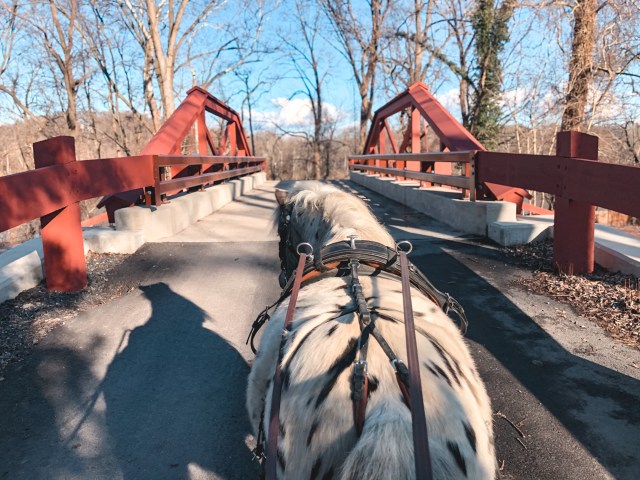
It’s best to expect to go back a step or two when returning to work, rather than jumping into something new right away. This will allow your horse to settle back into work with something they are comfortable with and set them up for success.
Prepare your Horse for New Opportunities
Spring time gets us all excited to start venturing out with our horses more. But in order to be fair to our partners, we must provide them with the ability to be successful at these new opportunities. This is why it is important to start thinking about your goals for the year ahead early, and make a plan.
If you are planning to take your horse to any events, be sure they are ready to do so.
Once you have assessed their physical state, their mental state, and have developed and implemented a plan: you can start working towards new and exciting opportunities!
If you have a particular event or show in mind you’d like to participate in, you must help your horse to be ready for that. Along with your work routine, it is important to make sure your horse is mentally capable of handling such things. This often means stepping outside of their comfort zone and allowing them to explore the world.
One of the biggest tests of your partnership with your horse, is how they respond to you when you leave the safety of home. Be sure to plan outings BEFORE your big events to check in with how your horse handles the mental load. Depending on your horses experience level this might look like a walk down the road, trailering to a park, scheduling a ship-in lesson at another farm, attending a clinic, or maybe even just going for a trailer ride around the neighborhood and back home if that’s where you’re at in the journey.
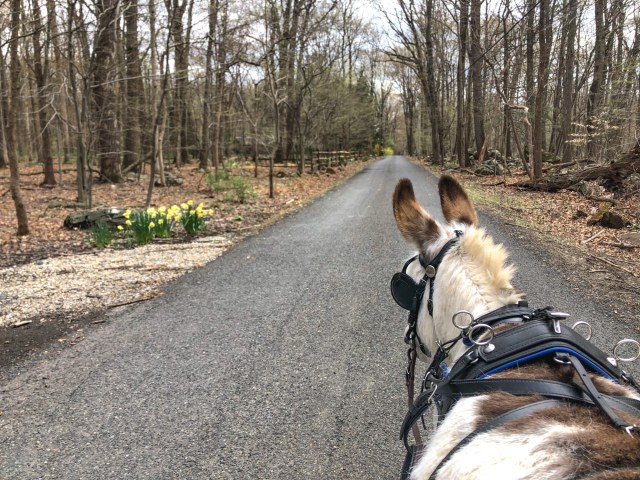
Whether you plan to take your horse to any events or not, working away from home can do WONDERS for your equine. It gives them the opportunity to grow and develop into a more confident and secure partner. How much does your equine truly trust you when they leave the comfort of their herd? Their field or paddock? The only environment they’ve really known? This can only be answered by doing. And what an important concept for a carriage driving horse. After all, most of us interested in carriage driving wish to go out and drive!! You need to be sure you can leave home with your horse in the carriage and have the same dependable equine out in front of you leading the way.
Remember, for many of us the beginning of spring can present some frustrating weather. Here in Bucks County, Pennsylvania we’ve enjoyed a few beautiful warm, sunny days only to have more snow forecasted next week! The back and forth can be difficult to implement a work routine for you and your equine. Don’t be discouraged, just take a deep breath and start. Take advantage of the good days, and allow you and your equine to rest on the bad ones. The most important part is just starting!